
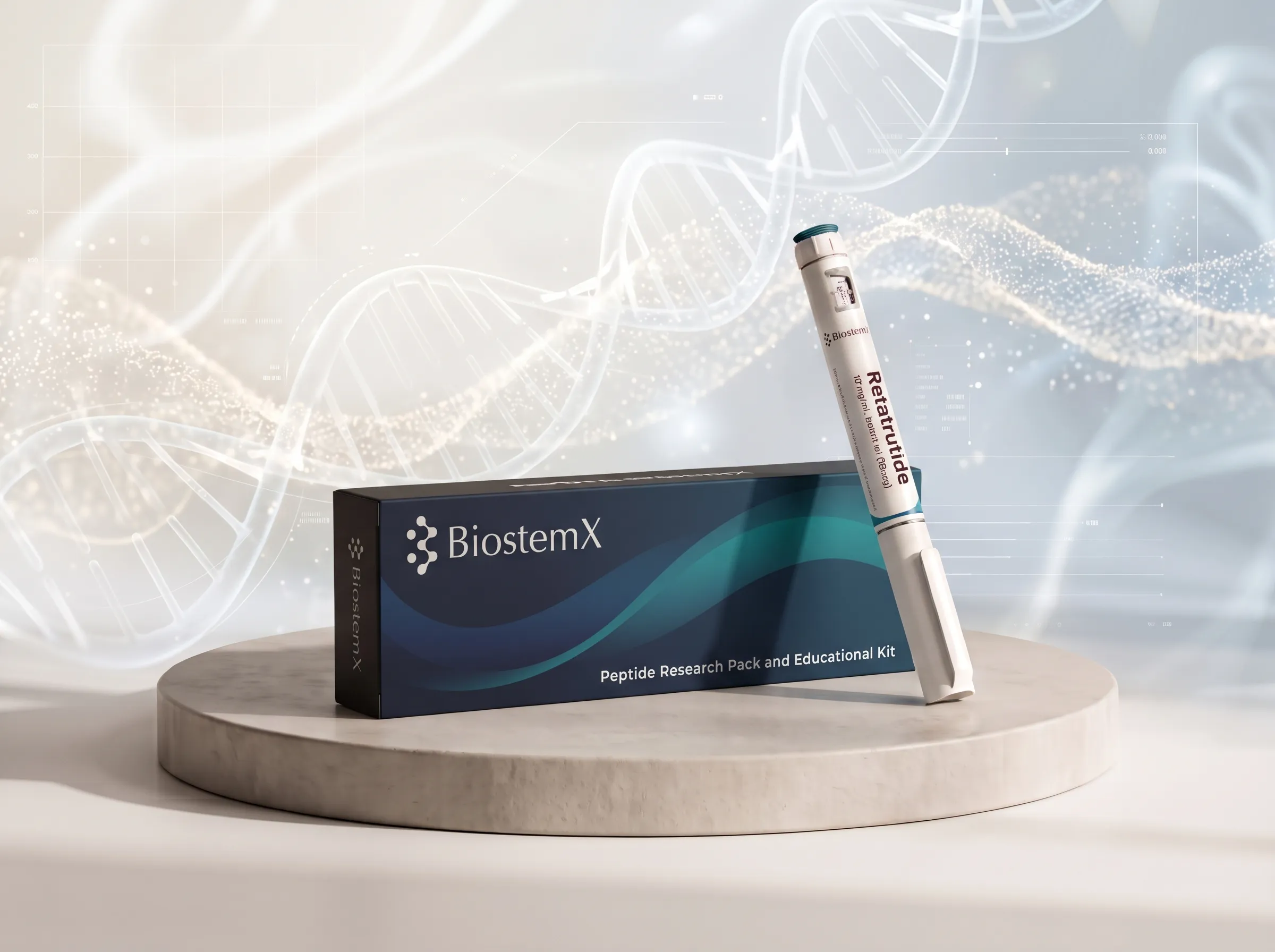
Retatrutide
30mg
An experimental drug acting on three hormone receptors simultaneously, studied for
weight management, blood glucose control, and the treatment of metabolic diseases
associated with obesity and type 2 diabetes.
241 $
An experimental drug acting on three hormone receptors simultaneously, studied for
weight management, blood glucose control, and the treatment of metabolic diseases
associated with obesity and type 2 diabetes.
241 $
What is Retatrutide?
Retatrutide is an experimental drug in development for the treatment of obesity and related
metabolic diseases, such as type 2 diabetes. It acts as an agonist of multiple hormone
receptors that regulate appetite and metabolism in the body. The primary goal of
Retatrutide is to support weight loss by reducing appetite, increasing the feeling of satiety,
and regulating glucose metabolism.
The mechanism of action of Retatrutide involves three hormones: GLP-1 (glucagon-like
peptide-1), GIP (glucose-dependent insulinotropic peptide), and glucagon, which play a
key role in appetite control, insulin secretion, and fat breakdown. The drug is part of a new
generation of weight management therapies, developed with the aim of providing more
effective and long-lasting solutions for obesity and metabolic diseases.
Retatrutide is typically administered via subcutaneous injection with a dose-escalation
protocol:
• Weeks 1-4: 25 clicks once a week
• Weeks 5-8: 25 clicks twice a week
• Weeks 9-52: 25 clicks up to three times a week, maintaining this level for up to one
year
The product is injected into the abdominal area or the front of the thigh. After injection, it is
recommended to wait 10 seconds before removing the needle, rotating the injection site
with each administration.
Each pen has a concentration of 10 mg/ml, for a total of 3 ml and 30 mg overall.
In Phase 1, focused on safety and initial tolerability, Retatrutide demonstrated a significant
effect on weight loss and appetite control without notable side effects. In Phase 2,
participants achieved significant weight loss of between 15% and 24% of body weight after
approximately 48 weeks of treatment, with improvements in blood glucose levels and
insulin sensitivity. Higher doses produced better results, with a proportional increase in
gastrointestinal side effects. Phase 3 is currently ongoing to confirm long-term efficacy and
safety, with particular attention to cardiovascular risk reduction and improvement of liver
function.
Retatrutide is positioning itself as one of the most promising weight loss treatments
currently in clinical trials.
Like many other medications, Retatrutide may cause side effects, although they do not
occur in all patients. The most common adverse reactions are related to the digestive
system. It is important to note that side effects may be more pronounced at higher doses.
• Nausea: One of the most commonly reported adverse reactions. Generally mild to
moderate, it tends to decrease over time as the body adapts.
• Vomiting: May occur especially at the beginning of treatment or with rapid dose
increases.
• Diarrhoea or constipation: Changes in the digestive system are common in
patients taking Retatrutide. These may be temporary, but in some cases dose
adjustment may be necessary.
• Fatigue: A feeling of tiredness or weakness may occur, especially in the early stages
of treatment.
• Increased heart rate: Some patients may experience a slight increase in pulse
during physical activity.
Most side effects of Retatrutide are reversible and manageable. Medical monitoring during
treatment is recommended to ensure safety and efficacy.
• BPC-157: Adding BPC-157 may help support gastrointestinal comfort during the use
of Retatrutide.
• AOD-9604: Together, these peptides may provide enhanced fat metabolism support
through complementary mechanisms.
• Significant weight loss: Retatrutide is studied for individuals with obesity or are
overweight. Clinical trials have shown substantial and sustained weight loss, with
some participants losing up to 24% of their body weight after prolonged treatment.
• Improved blood glucose control: It regulates glucose metabolism, making it
particularly beneficial for patients with type 2 diabetes. As a GLP-1 receptor agonist,
it enhances insulin secretion and improves blood glucose control, reducing postmeal glucose levels.
• Appetite and metabolic hormone regulation: The mechanism of action involves
activating three hormones — GLP-1, GIP, and glucagon — improving appetite control
and fat burning.
• Reduced cardiovascular risk: By promoting weight loss and improving metabolic
profile, Retatrutide may reduce the risk of cardiovascular diseases often associated
with obesity and diabetes.
• Improved lipid profile: It may contribute to reducing LDL cholesterol and
triglyceride levels, improving overall health.
• Potential treatment for liver diseases: Retatrutide is also being studied for its
potential benefits in treating non-alcoholic fatty liver disease (NAFLD) and nonalcoholic steatohepatitis (NASH), both linked to metabolic disorders.